All Categories
Featured
Table of Contents
- – What Leading Dentists Know About Streamlining ...
- – 2025 Trends In Dental Practice Management You ...
- – Complete Dental Practice Management Guide For...
- – How A Dental Answering Service Can Improve Yo...
- – 7 Ways To Use Practice Management Data To Im...
- – Manage Appointments, Billing, And Patient Fl...
Running a dental practice today takes more than just clinical skill. High-performing dental offices rely on integrated software that connect admin, finance, and communication. Let’s unpack the tools, systems, and strategies that keep your practice running smoothly — from practice management software to marketing and call handling solutions.
Historically, dental practices relied on spreadsheets and paper files to book patients and track billing. This approach worked once, but growth-focused clinics need faster, smarter systems. Patient expectations have evolved dramatically. That’s why a unified software ecosystem is now non-negotiable.
What Leading Dentists Know About Streamlining Their Practice Operations
Practice management platforms are the backbone of any clinic. They bring together scheduling, charting, billing, and reporting into a streamlined workflow. Instead of juggling multiple systems, staff can view appointments, treatment plans, and payments all in one place. The result is a smoother patient journey and more predictable revenue.
Why some practice systems outperform others comes down to integration and reporting. Consider this scenario, if insurance pre-authorizations sync with billing, the entire workflow becomes faster. Built-in dashboards show which treatments bring profit or loss. Having these insights empowers better business decisions.
Choosing the right platform is a mix of features, budget, and usability. Dentrix remains a leader with deep functionality for treatment planning, imaging, and analytics. Eaglesoft is known for its imaging and charting. Open-source platform Open Dental is popular for transparency and lower cost. Curve Dental simplifies multi-location management. None are perfect. Start with a demo before committing and test real-world workflows. Staff comfort will make or break the implementation.
Training and onboarding are underestimated when new platforms go live. Technology only works if the team knows how to use it effectively. Designate a tech lead who understands both operations and software. Host mini refreshers to see how adoption is progressing. A month of structured training builds culture around technology use.
2025 Trends In Dental Practice Management You Need To Know
Appointment management tools are now smarter dramatically. Smart booking engines now fill cancellations automatically with built-in patient communication. Most platforms sync rooms, hygienists, and chairs seamlessly. Optimized calendars increase provider productivity. Digital booking links are now standard, letting new visitors schedule from their phones. This approach is a smoother first impression for patients.
One overlooked advantage of advanced scheduling tools comes from analytics. You can measure peak hours, cancellation rates, and rebooking patterns. This data help you plan staff rosters and marketing campaigns. For example new patients prefer weekend slots, you might tweak hours or ad targeting.
Payment systems and revenue cycles determine long-term profitability. Submitting claims manually leads to rejected claims and delays. Built-in insurance portals speed up reimbursements. Some systems instantly verify insurance, meaning accurate quotes upfront. Payment plans and automatic reminders improve collection rates. Tracking claim acceptance rates helps you make data-driven decisions.
Complete Dental Practice Management Guide For Dentists & Clinic Owners
High-volume practices connect accounting and banking software. You get a holistic view of finances. No more waiting for end-of-month surprises. You’ll identify which services drive repeat visits. Such data integration improves decision-making year-round.
The next step is turning efficiency into visibility. No dental practice thrives on referrals alone anymore. Smart ad campaigns bring in high-value cases. Ensure your GBP is verified, post regular updates, and create “service + suburb” landing pages. Well-written blog posts that answer everyday questions feed your marketing funnel.
Automated follow-up workflows are the secret weapon of modern clinics. Connected systems that sync with PPM data can send timely recall reminders, reviews, and reactivations. Messages can include birthday offers or seasonal promos. That consistent engagement keeps your chairs booked months ahead.
How A Dental Answering Service Can Improve Your Practice Workflow
PPC and remarketing generate immediate patient inquiries. Target by suburb for keywords like “emergency dentist open now”. Use remarketing ads. Add lead magnets to turn browsers into bookings.
A major gap in many clinics is the professional call handling partner. Despite automated reminders, a ringing phone can cost you revenue. Trained call teams answer calls when your team can’t. They sync with your software to schedule instantly. It’s crucial for late-night pain cases. Teams that outsource overflow calls see improved retention. Cross-linking blog posts about emergency call coverage creates smooth navigation between topics.
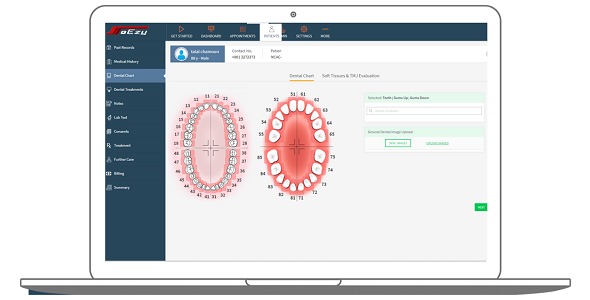
Once your systems are aligned, growth accelerates naturally. Integrated systems cut manual tasks, while ongoing marketing keeps new patients coming. In practical terms, this means fewer no-shows, faster payments, and happier patients.
7 Ways To Use Practice Management Data To Improve Dental Marketing Roi
Here’s the playbook most modern clinics follow:Select your main PPM. Migrate your data and train the team.2. Automate communication. SMS reminders, reactivation sequences, and review requests keep your chairs filled.3. Simplify billing. Track performance weekly.Invest in local SEO and retargeting. Tie in your dental answering service pages.5. Monitor results. Data on scheduling gaps or claim delays keep you improving.6. Keep innovating. Competition won’t slow down, so treat improvement as ongoing.
A future-ready clinic thrives on integration, not improvisation. By aligning your technology, communication, and marketing, you gain predictable growth and happier patients.
Manage Appointments, Billing, And Patient Flow Like A Pro
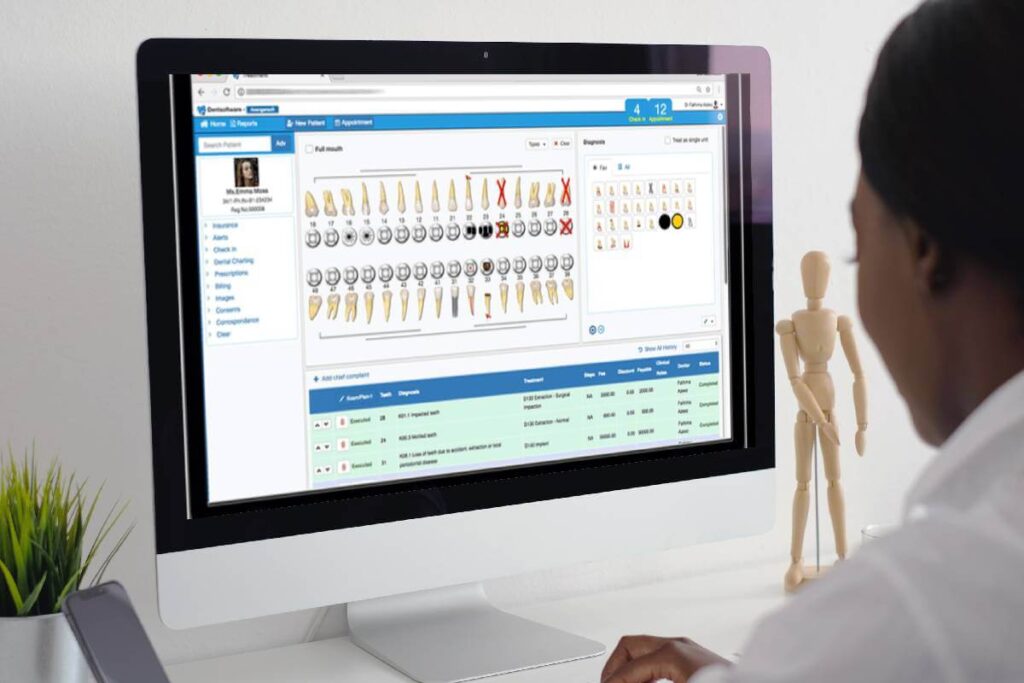
Learn more about improving call handling and workflow automation here.

Table of Contents
- – What Leading Dentists Know About Streamlining ...
- – 2025 Trends In Dental Practice Management You ...
- – Complete Dental Practice Management Guide For...
- – How A Dental Answering Service Can Improve Yo...
- – 7 Ways To Use Practice Management Data To Im...
- – Manage Appointments, Billing, And Patient Fl...
Latest Posts
How Modern Dental Practices Use Marketing Automation To Grow
Billing Systems Every Dental Practice Should Be Using In 2025
2025 Trends In Dental Practice Management You Need To Know
More
Latest Posts
How Modern Dental Practices Use Marketing Automation To Grow
Billing Systems Every Dental Practice Should Be Using In 2025
2025 Trends In Dental Practice Management You Need To Know